Art is not what you see, but what you make others see. – Edgar Degas
Art has been an integral part of the human experience since the dawn of civilization. It has played a pivotal role in expressing emotions, capturing beauty, and preserving history. From ancient cave paintings to modern-day masterpieces, each era has brought forth its unique style and perspective. Among the many forms of art, fine art stands out as a captivating and enchanting realm. In this blog post, we will delve into the mesmerizing world of fine art, with a special focus on the alluring mediums of oil painting and wall art.
Understanding Fine Art
Fine art is a term that encompasses a wide range of visual expressions created primarily for aesthetic and intellectual purposes. It encompasses various disciplines, including painting, sculpture, printmaking, photography, and more. What sets fine art apart is its focus on the mastery of techniques and the expression of the artist’s inner thoughts and emotions.
Fine art is not just about creating aesthetically pleasing works; instead, it aims to provoke thought, challenge conventions, and ignite the imagination. It allows artists to explore their innermost selves and present their unique perspectives to the world. Through the language of art, they invite viewers to join them on a journey of self-discovery and interpretation.
The Captivating World of Oil Paintings
One of the most revered and timeless mediums in fine art is oil painting. Dating back to the 15th century, this technique gained popularity during the Renaissance and has continued to captivate artists and art enthusiasts alike throughout the centuries. Oil paintings are known for their rich colors, depth, and texture, which bring life to the canvas.
Oil paint consists of pigments suspended in drying oils, such as linseed oil or walnut oil. The slow drying time of oil paints allows artists to blend and layer colors, creating smooth transitions and subtle gradations. This versatility gives artists the freedom to manipulate the paint, adding depth and complexity to their compositions.
The luminosity and vibrancy achieved through oil paintings can be seen in notable masterpieces such as “Starry Night” by Vincent van Gogh or “Girl with a Pearl Earring” by Johannes Vermeer. These works, alongside countless others, illustrate the unique ability of oil paintings to evoke emotions and leave an indelible mark on our souls.
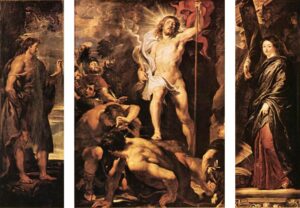
The Allure of Wall Art
While oil paintings offer a glimpse into the world of fine art, it is equally important to explore how these masterpieces come to life in our living spaces. Wall art, or the practice of displaying artwork on walls, allows us to bring the enchantment of fine art into our homes, offices, and public spaces.
Wall art provides a canvas for self-expression and personalization. By carefully selecting and curating artworks, we can transform our environments, infusing them with beauty, inspiration, and a touch of sophistication. Whether it’s a serene landscape, an abstract composition, or a portrait full of raw emotion, wall art has the power to reflect our personality and spark conversation.
Moreover, wall art goes beyond mere decoration; it invites us to pause, admire, and contemplate. Within the confines of our busy lives, these carefully chosen pieces remind us of the beauty that surrounds us and the rich tapestry of human creativity. They create a sanctuary where we can escape the mundane and immerse ourselves in the magic of fine art.
The Enduring Legacy of Fine Art
Throughout history, fine art has played an integral role in documenting and preserving our collective story. From ancient civilizations that used cave paintings to depict their daily lives, to the Renaissance masters who immortalized their patrons in vibrant oil paintings, art has provided a window into the past.
In addition to its historical significance, fine art also carries immense cultural value. It reflects the values, beliefs, and aspirations of society at a given time. Through fine art, we can gain insight into different cultures and their unique artistic expressions. It becomes a bridge, connecting people across time and space, transcending language and borders.
Furthermore, fine art has the ability to challenge societal norms and provoke social change. Artists who dare to push boundaries use their craft to comment on politics, social issues, and the human condition. Their works can spark conversations, challenge perceptions, and inspire activism. It is through this convergence of aesthetics and activism that art becomes a powerful catalyst for change.
Conclusion
Fine art, with its mesmerizing array of mediums and techniques, holds an undeniable allure that transcends time. Through the captivating technique of oil painting, artists breathe life into their visions, leaving behind a legacy that continues to inspire and captivate. When art finds a place on our walls, it becomes part of our story, infusing our spaces with beauty, emotion, and reflection. From the cave walls of our ancestors to the contemporary masterpieces of today, fine art stands as a testament to the boundless creativity of the human spirit, offering us a magical connection to our past and inspiring the possibilities of our future.